Local Movers Everett: The Complete Guide to Planning a Safe, Efficient, and Stress-Free Move
Moving to a new home is an important transition that requires careful planning, organization, and physical effort. From sorting belongings and packing boxes to arranging transportation and settling into a new property, even a short-distance relocation can involve many moving parts. Working with experienced Local movers Everett residents can be a practical way to simplify the process and make moving day more manageable.
Whether you are moving to another neighborhood, relocating to a larger home, downsizing, or transitioning into an apartment, a detailed plan can help prevent unnecessary delays and confusion. This guide explains how to prepare for a local move, what to consider when hiring professional movers, how to organize your belongings, and how to make moving day safer and more efficient.
Why Planning Is Important for a Local Move
A local relocation may involve a shorter driving distance than a long-distance move, but that does not mean it requires less preparation. You still need to coordinate packing, transportation, property access, furniture handling, utilities, and your personal schedule.
Without a plan, small problems can quickly become major inconveniences. Boxes may not be labeled correctly, important items may be packed too early, or movers may encounter unexpected stairs, narrow hallways, parking restrictions, or building requirements.
Planning in advance gives you time to identify potential challenges and communicate important details to your moving team. It can also make it easier to compare moving services and establish a realistic budget.
Start Planning Your Everett Move Early
One of the simplest ways to reduce moving stress is to begin preparations well before moving day. Starting early gives you enough time to organize belongings, research moving companies, gather packing supplies, and address unexpected issues.
Create a moving timeline based on your relocation date. You can divide the process into smaller tasks and assign deadlines to each one. This approach prevents the entire move from becoming a last-minute project.
Six to Eight Weeks Before Moving
At this stage, begin researching Local movers Everett customers may consider. Compare services, read reviews, request estimates, and determine which companies have availability around your preferred moving date.
This is also a good time to begin sorting your belongings. Decide which possessions you want to keep, donate, sell, recycle, or discard.
Four to Six Weeks Before Moving
Start packing items that you do not use every day. Seasonal clothing, decorative objects, books, extra kitchenware, and rarely used equipment can usually be packed ahead of time.
Confirm your moving arrangements and begin notifying organizations and service providers about your upcoming address change.
One to Two Weeks Before Moving
Complete most of your packing and keep only essential daily-use items accessible. Confirm the moving schedule, property access, parking arrangements, and any elevator reservations if applicable.
The Day Before Moving
Finish last-minute packing, charge electronic devices, prepare an essentials bag, and make sure important documents and valuables are separated from the items being transported by the moving crew.
Determine What Kind of Moving Help You Need
Before contacting a moving company, consider how much assistance you actually require. Some customers need complete moving support, while others only need help with transportation or heavy lifting.
Common moving services can include:
- Residential moving
- Apartment moving
- Furniture transportation
- Packing and unpacking
- Loading and unloading
- Office relocation
- Long-distance transportation
- Specialty item handling
Understanding your needs before requesting estimates makes it easier to compare providers accurately.
How to Choose Local Movers Everett Residents Can Trust
Selecting a moving company should involve more than looking at a price. You want a provider that communicates clearly, understands your requirements, handles belongings carefully, and provides transparent information about costs.
When researching local movers, consider the company's experience, service area, customer reviews, licensing, insurance, equipment, and communication practices.
Research the Company's Experience
Ask how long the company has been providing moving services and whether it regularly handles relocations similar to yours. A team experienced with local residential moves may understand common logistical challenges associated with different types of properties.
Check Licensing and Insurance
Verify that the moving company has the appropriate licensing and insurance for your type of move. Requirements can differ depending on whether the relocation remains within the local area or crosses state lines.
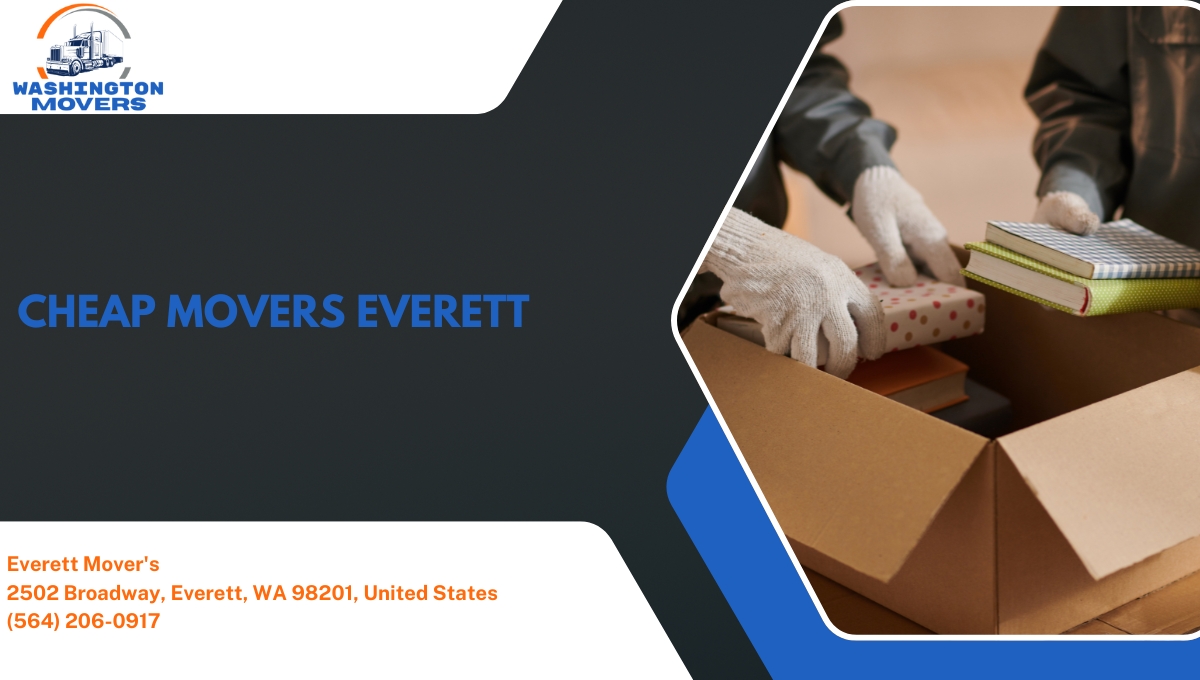
Ask what protection or valuation options are available for your belongings and request clarification if the company's coverage terms are difficult to understand.
Read Customer Reviews
Customer feedback can help you identify patterns in service quality. Look for comments about punctuality, communication, professionalism, handling of belongings, pricing, and problem resolution.
Do not rely on one review alone. A broader selection of recent feedback can provide a more balanced understanding of a company's customer experience.
Request Written Moving Estimates
Once you have identified several potential movers, request detailed estimates. Give each company accurate information about the move, including the approximate number of rooms, large furniture, appliances, stairs, elevators, and special items.
Moving costs can depend on several factors, including:
- Size of the move
- Number of movers required
- Distance between properties
- Travel time
- Number of floors
- Elevator availability
- Large or unusually heavy belongings
- Packing requirements
- Special handling
- Moving date and scheduling conditions
Ask each company to explain what the quoted amount includes. A low estimate may not represent the best value if important services or potential fees are excluded.
Understand Your Moving Contract
Before signing an agreement, carefully review the terms. The document should clearly identify important details about your move and the services being provided.
Pay particular attention to:
- Pickup and delivery addresses
- Scheduled moving date
- Services included
- Estimated or agreed charges
- Payment requirements
- Cancellation policies
- Additional service fees
- Liability and valuation coverage
- Procedures for reporting damage
If you do not understand a clause, ask the company to explain it before agreeing to the contract.
Create a Moving Inventory
An inventory is useful for both organization and accountability. You do not necessarily need an elaborate spreadsheet. A basic list of boxes and major belongings can make it easier to track your possessions.
Consider recording valuable or fragile items separately. You can also photograph the condition of important furniture and electronics before they are loaded.
Label each box with its destination room and a short description of its contents. For example, labels such as “Kitchen – Plates” or “Bedroom – Bedding” can make unloading much more organized.
Declutter Before Packing
Moving is an excellent opportunity to reduce unnecessary possessions. Transporting items you no longer want can increase the amount of packing, loading, and unloading required.
Go through each room and separate belongings into categories:
- Keep
- Donate
- Sell
- Recycle
- Dispose
Start with storage areas, closets, garages, and rarely used rooms. Once unnecessary items are removed, packing and unpacking become easier.
Pack With a System
Randomly filling boxes can create confusion when you reach your new home. Instead, establish a consistent packing system.
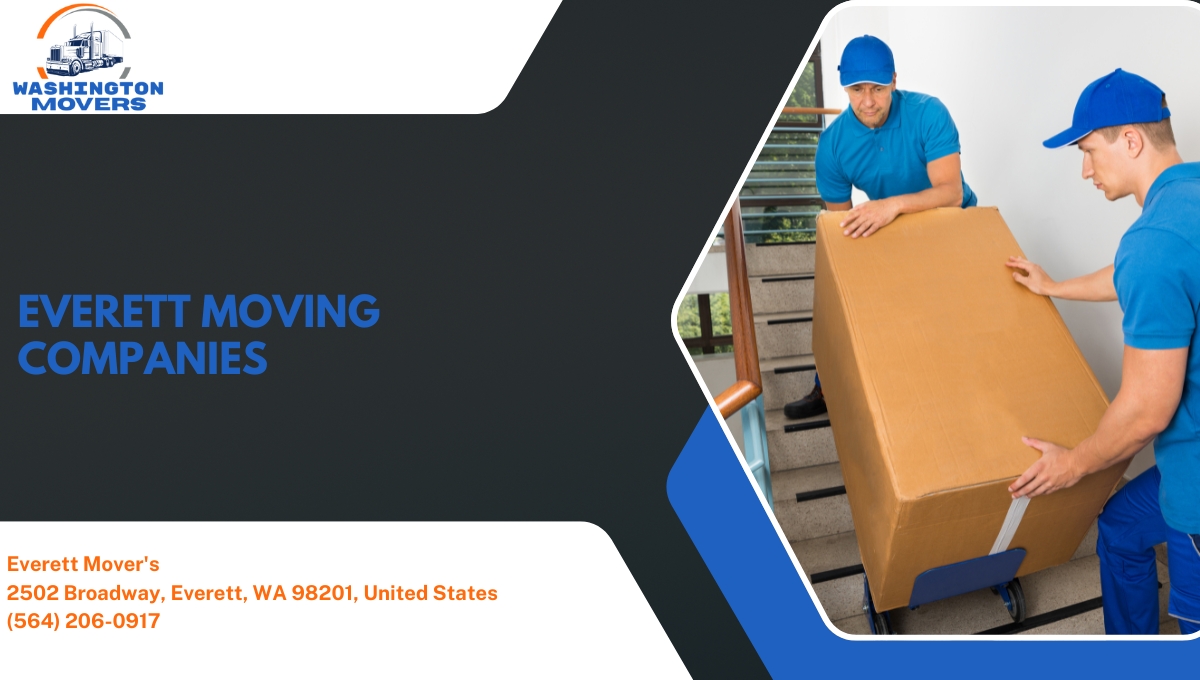
Pack similar items together whenever practical and avoid making boxes excessively heavy. Books, canned goods, and other dense objects should be placed in smaller boxes to make them easier to carry.
Use appropriate cushioning for fragile belongings. Plates, glasses, electronics, artwork, and other delicate possessions may require additional protection.
Label Every Box
Clearly label boxes on multiple sides. Include the room where the box belongs and whether the contents are fragile or require special handling.
Color-coded labels or simple numbering systems can also help you quickly identify boxes during unloading.
Prepare an Essentials Bag
Do not pack everything into the moving truck. Prepare a personal essentials bag that you can access immediately after arriving at your new home.
It may include:
- Change of clothes
- Toiletries
- Phone chargers
- Important documents
- Basic medications
- Snacks and water
- Basic cleaning supplies
- Important keys
- Essential electronics
Having these items readily available means you do not need to search through dozens of boxes immediately after arriving.
Plan Property Access in Advance
Access can have a major effect on moving efficiency. Before moving day, determine where the moving truck can park and how movers will get belongings from the property to the vehicle.
For apartments and multi-unit buildings, check whether there are designated loading areas or restricted moving hours. You may need to reserve an elevator or coordinate with building management.
For houses, consider driveway access, gate widths, stairs, narrow walkways, and other potential obstacles. Inform your movers about unusual access conditions before they arrive.
Moving From an Apartment
Apartment relocations often require careful coordination. Elevators, parking restrictions, building rules, and narrow corridors can create challenges if they are not addressed beforehand.
If you are hiring professional Everett apartment movers, provide information about both the current and destination buildings. Confirm whether management requires proof of insurance, reservations, or specific scheduling windows.
Ask your moving team whether they need any additional information to plan the move. Preparing these details ahead of time can help minimize waiting time on moving day.
Moving From a House
Household moves can involve more belongings and larger furniture than apartment relocations. Garages, attics, basements, storage rooms, patios, and outdoor areas may all contain items that need to be transported.
Include these areas when creating your inventory. If there are oversized items, heavy appliances, or specialty possessions, notify the moving company in advance.
Doing so gives the crew an opportunity to prepare the appropriate equipment and staffing.
Protect Your Home During the Move
Moving involves frequent foot traffic and the transportation of heavy objects. Protecting both your belongings and the property itself should be part of the plan.
Depending on the circumstances, protective materials may be used on floors, doors, walls, furniture, and other vulnerable areas. Ask your moving company about its procedures for protecting properties during loading and unloading.
Keep pathways clear and remove small obstacles that could cause someone to trip while carrying boxes.
Safety Tips for Moving Day
Safety should remain a priority throughout the relocation. Heavy furniture and large boxes can create hazards when handled improperly.
- Keep walkways clear.
- Wear comfortable, closed-toe footwear.
- Do not overload boxes.
- Keep children away from active loading areas.
- Keep pets in a secure location.
- Use proper lifting techniques.
- Allow trained movers to handle especially heavy objects.
- Keep doors and pathways accessible.
Professional movers have experience handling heavy furniture and transportation equipment, which can reduce the physical demands placed on homeowners.
Communicate Special Handling Requirements
Not every item can be treated the same way. Fragile artwork, large mirrors, electronics, antiques, musical instruments, oversized furniture, and other specialty belongings may require additional care.
Tell your movers about these items before moving day. Ask whether they provide specialized packing or transportation services and whether certain belongings require special preparation.
Some items may have transportation restrictions or may not be accepted by certain companies, so confirm requirements in advance.
Keep Valuables and Important Documents With You
Important documents, personal valuables, financial records, keys, and irreplaceable items should be kept secure. Consider transporting these belongings yourself rather than placing them inside the moving truck.
This can make it easier to keep track of items that are especially important to you during the transition.
Make Moving Day More Efficient
Efficiency comes from preparation. Before the moving crew arrives, make sure boxes are packed, labeled, and positioned where they can be accessed safely.
Keep the items that need special handling clearly identified. If you have furniture that needs disassembly, determine in advance whether you or the movers will handle that task.
When the crew arrives, walk through the property and explain any areas that require additional attention. Clear communication at the beginning can prevent misunderstandings later.
What to Do When the Movers Arrive
Start with a quick walkthrough. Point out fragile belongings, items that should not be loaded, and any property features that could affect the moving process.
Confirm the destination address and make sure the crew understands which items are going to the new property. If your inventory includes numbered boxes, use the system consistently throughout loading and unloading.
Remain available for questions, but allow the professional crew to perform its work without unnecessary interruptions.
Check Your Belongings at the New Home
Once everything has been unloaded, use your inventory to check major belongings and boxes. Look for visible damage and identify missing items as soon as possible.
If you notice a problem, document it with photographs and contact the moving company according to the procedures in your agreement. Keep copies of relevant documentation and communication.
Unpack Strategically
You do not have to unpack your entire home on the first day. Start with the rooms and items you need most.
Many households find it helpful to unpack in this order:
- Essential personal items
- Bathroom supplies
- Kitchen necessities
- Bedroom items
- Work or study equipment
- Living room items
- Decorations and less frequently used belongings
This approach allows you to make the new home functional before dealing with less important boxes.
Budgeting for a Local Move
Creating a moving budget can help prevent unexpected financial pressure. Besides the mover's estimate, consider other potential expenses associated with the relocation.
Your budget may include:
- Moving services
- Packing materials
- Cleaning supplies
- Storage
- Utility connection costs
- Furniture assembly or disassembly
- Travel-related expenses
- Replacement items for the new home
Ask your moving company about potential additional charges before finalizing your booking.
Common Local Moving Mistakes to Avoid
Underestimating the Amount of Work
A short-distance move can still involve considerable packing and physical labor. Do not assume that a local relocation will automatically be quick or simple.
Leaving Packing Until the Last Day
Last-minute packing can cause unnecessary stress and make it harder to organize fragile or valuable belongings. Begin with non-essential items and work gradually toward everyday necessities.
Failing to Measure Furniture
Measure large furniture and check doorways, staircases, hallways, and elevators at both properties. This can help identify potential access problems before moving day.
Not Asking About Extra Fees
Always ask what may increase the final price. Stairs, long carries, specialty items, packing services, and other circumstances may affect costs depending on the company's pricing structure.
Choosing a Mover Without Research
Take time to verify credentials, read reviews, compare estimates, and evaluate communication before making your decision.
Questions to Ask Local Movers Everett Residents Are Considering
Before hiring a moving company, ask questions that address your specific circumstances.
- Do you regularly handle local residential moves?
- Are you licensed and insured for my relocation?
- How do you calculate moving costs?
- What services are included in the estimate?
- Are packing materials available?
- How many movers will be assigned?
- What equipment will the crew bring?
- How do you protect furniture and property?
- How are fragile items handled?
- Are there additional fees I should know about?
- What is your cancellation policy?
- What should I do if something is damaged?
Clear answers can help you determine whether the company is prepared to handle your relocation professionally.
Benefits of Hiring Professional Local Movers
Hiring professional movers can provide several practical advantages. One of the biggest is reduced physical strain. Moving heavy furniture, appliances, and packed boxes requires strength, coordination, and appropriate equipment.
Professional movers may also help make the process more organized. An Everett apartment movers experienced crew can coordinate loading, transportation, and unloading while you focus on other responsibilities associated with the move.
Local experience can be another useful advantage. Movers who regularly work in the Everett area may understand common logistical considerations associated with residential properties and local relocations.
How to Make Your Move Less Stressful
Stress often comes from trying to manage too many tasks at once. Break your relocation into smaller steps and give yourself realistic deadlines.
Use checklists, label boxes consistently, maintain a moving inventory, and keep important documents organized. Communicate openly with your moving company and confirm important details before the moving date.
Most importantly, give yourself enough time. A well-planned move is usually easier to manage than one completed under pressure.
Final Checklist for a Successful Everett Move
Before moving day, review this checklist:
- Choose a reputable moving company.
- Request and compare detailed estimates.
- Review the moving agreement.
- Confirm licensing and insurance information.
- Declutter unnecessary belongings.
- Create an inventory.
- Pack and label boxes.
- Prepare fragile and specialty items.
- Arrange parking and building access.
- Reserve elevators when required.
- Prepare an essentials bag.
- Keep valuables and important documents secure.
- Protect children and pets from active work areas.
- Confirm the moving schedule.
- Inspect belongings after delivery.
Conclusion
A successful local relocation begins with preparation. From choosing experienced Local movers Everett customers can evaluate confidently to organizing your belongings and preparing both properties, every step contributes to a smoother moving experience.
Contact Us:
Everett Mover's
2502 Broadway, Everett, WA 98201, United States
Phone: (564) 206-0917